
-
Posted by
on
Zero Day Exploits In Operations
A zero-day exploit can turn routine vulnerability management into immediate containment. This article explains what the term means operationally, how zero-days unfold, and what disciplined defensive work looks like before and after…
-
Posted by
on
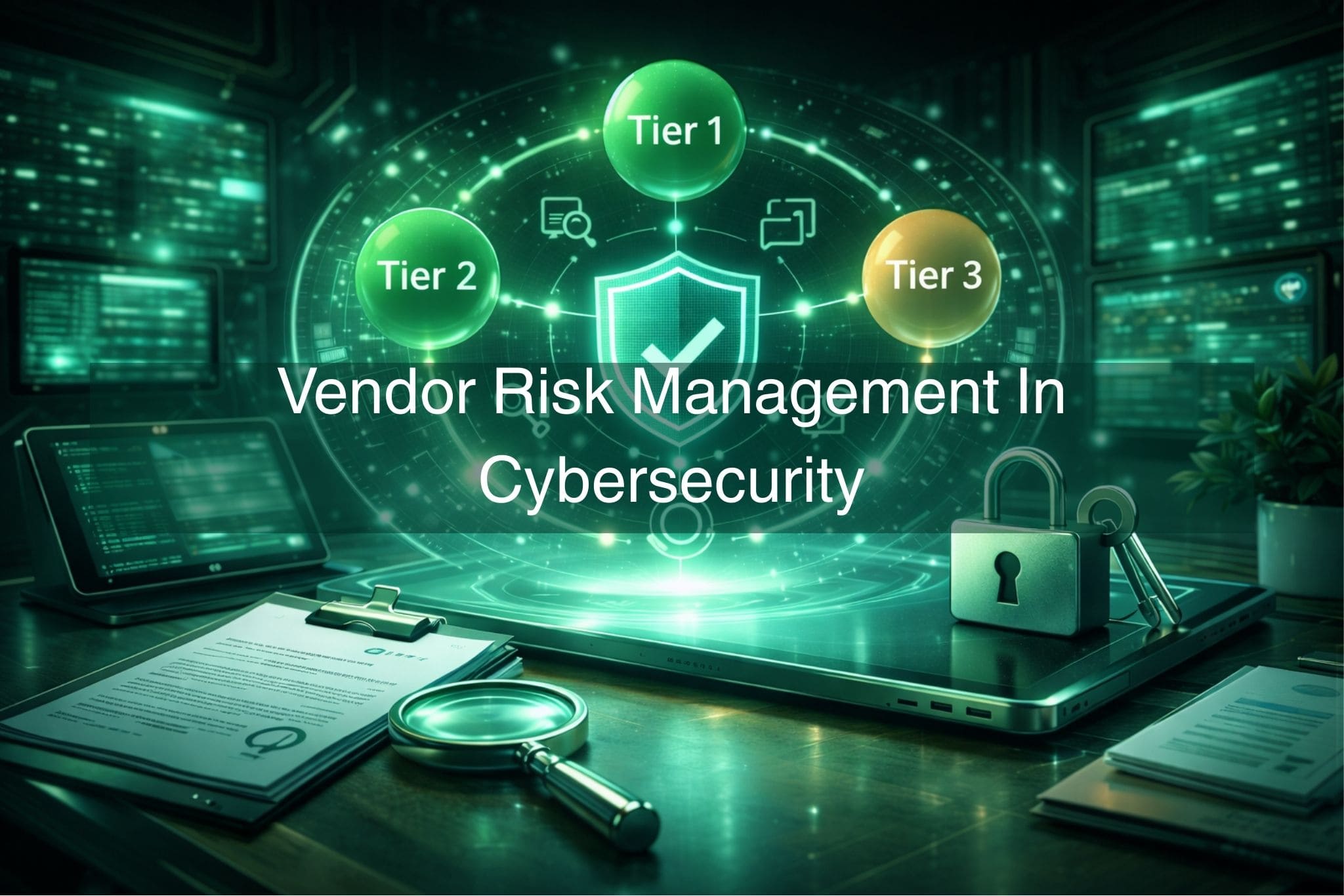
Vendor Risk Management In Cybersecurity
Modern organizations rely on third parties for core workflows, infrastructure, and customer-facing capabilities. Vendor risk management in cybersecurity is the operating system that decides which third-party relationships are acceptable, what security and…
-
Posted by
on
Penetration Testing That Proves Cyber Risk Reduction
Penetration Testing is a permission-based cyber security assessment that tries to reach a real business impact the same way an attacker would, then leaves behind evidence your team can use to fix…
-
Posted by
on
CMDB (Configuration Management Database) for Cybersecurity
A configuration management database, or CMDB, is a structured system of record for configuration items and the relationships that explain how services are built and operated. The practical value is not the…
-
Posted by
on
FAIR Cyber Risk Quantification in Practice
Cybersecurity leaders keep hearing the same challenge in different language. How much cyber risk are we carrying, which controls reduce it the most, and how confident are we in the answer. Many…
-
Posted by
on
The Importance Of Patch Management In Cybersecurity
Patch management looks like routine work until the day it is not. A single unpatched edge device, an outdated VPN, or a neglected library inside a critical application can turn a small…
-
Posted by
on
Cyber Resilience That Keeps Business Running
Cyber Resilience is the ability to keep critical work moving during a cyber incident and to restore trustworthy operations quickly afterward. It accepts a reality that every security team eventually meets. Prevention…
-
Posted by
on
Cyberattack Vectors And Prevention
A Cyber Attack is a deliberate attempt to compromise systems or data by breaking confidentiality, integrity, or availability. This article explains the main vectors seen in modern cybersecurity incidents and gives operational…
-
Posted by
on
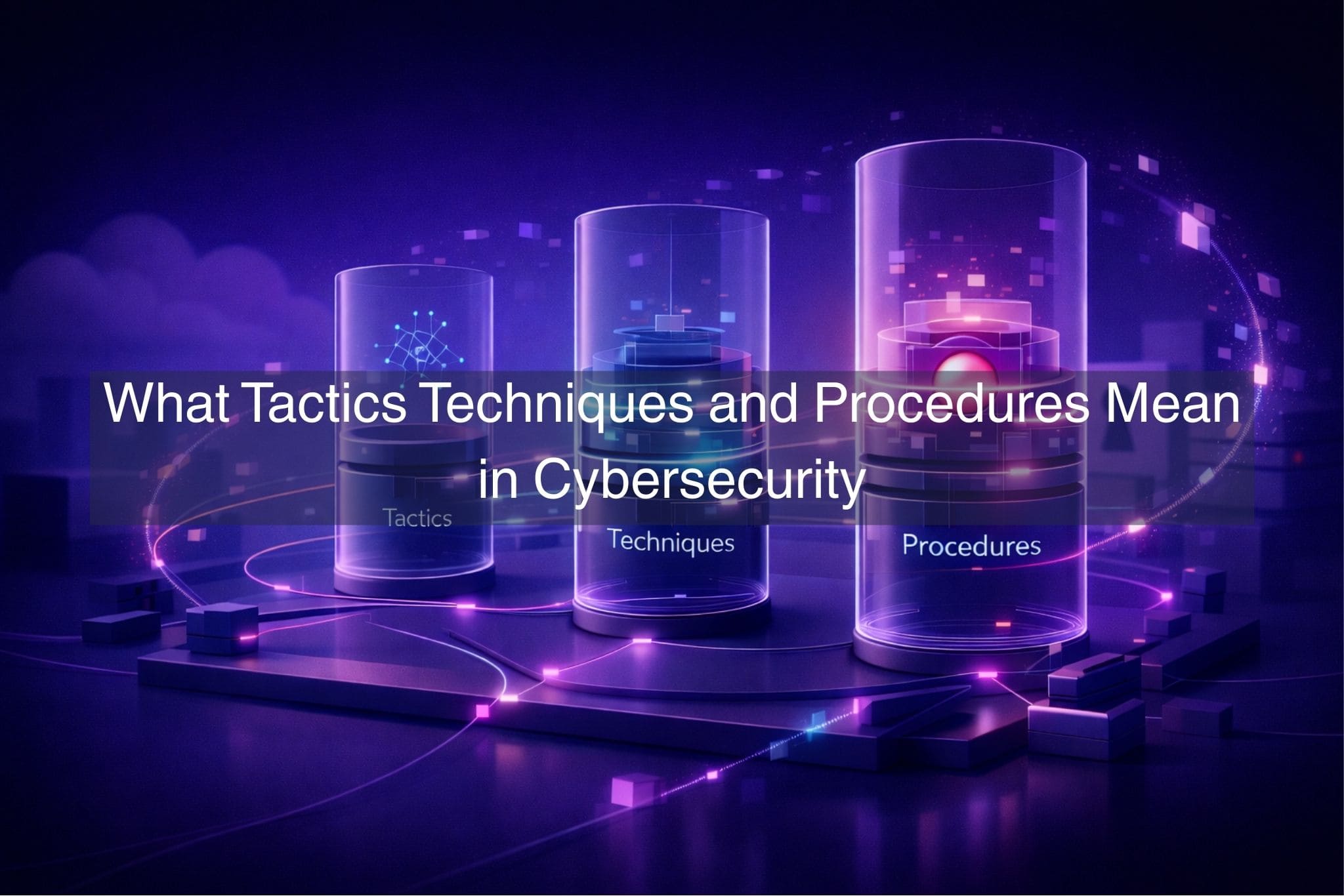
What Tactics Techniques and Procedures Mean in Cybersecurity
Tactics, techniques, and procedures, usually shortened to TTPs, describe how an adversary behaves while attempting to compromise a system. They matter because attackers can swap out malware, infrastructure, and domains quickly, while…
-

Posted by
on
AI In Cybersecurity
AI can make cyber defense faster and more consistent, but only when it is tied to evidence, clear ownership, and measurable outcomes. Without those constraints, it becomes a new source of noise.…